What Happens Next When a Building Goes Into Redevelopment? A Practical Guide for Pune Homeowners
- Associated Recons
- January 22, 2024
- Redevelopment
- 0 Comments
- Pune’s Changing Skyline
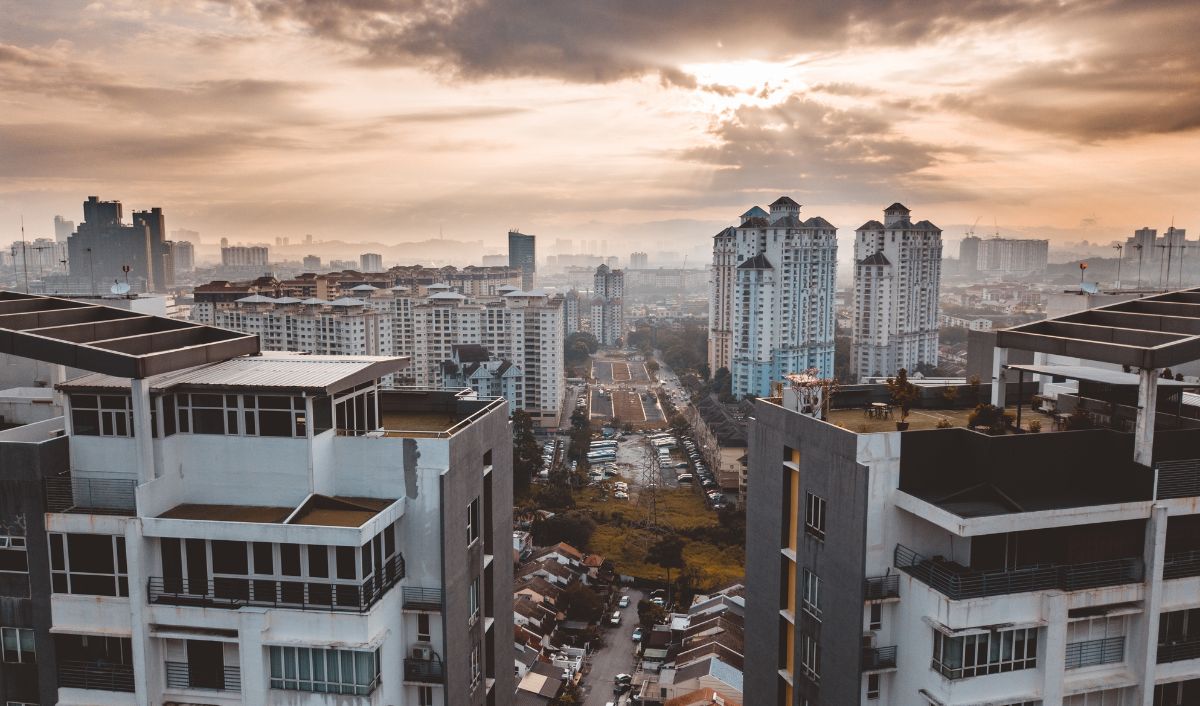
If you have lived in Pune for a long time, you may have noticed how the city’s skyline has slowly changed. Areas such as Kothrud and Aundh that were once filled with quiet residential societies are now seeing many older buildings replaced by modern residential towers. A similar transformation can also be seen in parts of Pimpri.
For residents, this change often brings mixed emotions. A home is not just a piece of property. It carries years of memories. It is where families grow, festivals are celebrated, and neighbors become an important part of everyday life.
However, buildings age with time. Many residential structures that were built thirty or forty years ago now require constant repairs and high maintenance costs. At some point, repairing the structure again and again stops making practical sense. That is when redevelopment becomes a more viable solution. Instead of continuing to repair an ageing building, societies get the opportunity to rebuild and create safer homes, better amenities, and stronger long term value for residents.
For many homeowners, the idea of redevelopment can feel complicated at first. But when the process is understood step by step, it becomes much easier to approach with confidence.
- The First Step: Feasibility and Society Consent
Redevelopment rarely begins with a developer approaching the society directly. In most cases, it starts with discussions among the residents themselves. Members begin noticing the building’s condition, increasing repair costs, or structural concerns.
The first formal step is usually a building condition assessment carried out by structural engineers. At the same time, an architect prepares a feasibility report to study the redevelopment potential of the property.
This report examines aspects such as the Floor Space Index, which determines how much construction is allowed on the plot, and the possibility of using Transfer of Development Rights to increase the permissible building area.
Once the feasibility becomes clear, the society organizes a Special General Body Meeting where members vote on whether redevelopment should move forward. While regulations usually require around two thirds approval, many professionals suggest aiming for close to seventy five percent consent. Strong agreement among residents helps avoid future disputes and allows the project to progress more smoothly.
- Selecting the Right Developer
Choosing a developer is one of the most important decisions a housing society will make during redevelopment.
It is natural for societies to be attracted to offers that promise larger homes or higher financial benefits. However, experienced committees understand that reliability and execution are just as important as the offer itself.
Before making a final decision, societies should carefully study the developer’s previous projects, their financial strength, and their ability to complete work on time. Speaking with societies that have already worked with the developer can also provide valuable insight.
Visiting completed projects in areas like Baner or Viman Nagar and interacting with residents there often gives a much clearer picture of how the developer actually works.
- The Development Agreement
After a developer is selected, the society and the developer sign a Development Agreement. This document becomes the foundation of the entire redevelopment project.
The agreement clearly outlines the responsibilities of both parties. It includes details about the size of the new flats, construction timelines, quality specifications, and financial commitments.
It also explains the basic financial model of redevelopment. In most cases, the developer covers the entire cost of construction. In return, they receive the right to build additional apartments and sell them in the open market.
A well prepared agreement usually contains clearly defined timelines, penalty clauses in case of delays, detailed specifications for construction materials and fittings, and financial assurances from the developer. These measures help protect the interests of society members throughout the project.
- Temporary Relocation and Corpus Funds
Relocation is often one of the most emotional stages of redevelopment. Residents must temporarily move out while demolition and construction take place.
To make this transition easier, developers usually provide rental compensation so residents can arrange accommodation during the construction period. In some situations, developers may also offer transit accommodation in nearby areas.
Many redevelopment agreements also include a corpus fund for the society. When managed carefully, this fund can support future maintenance expenses and help the society remain financially stable after the new building is completed.
- Permissions, Approvals and RERA Protection
Before any construction work begins, the developer must obtain several permissions from local authorities such as the Pune Municipal Corporation or the Pimpri-Chinchwad Municipal Corporation.
The project must also be registered with the Maharashtra Real Estate Regulatory Authority. The introduction of RERA has brought greater transparency to the real estate sector by ensuring that developers follow declared timelines and provide regular project updates.
For homeowners, this regulatory system offers an additional level of security and accountability.
- Demolition and Construction
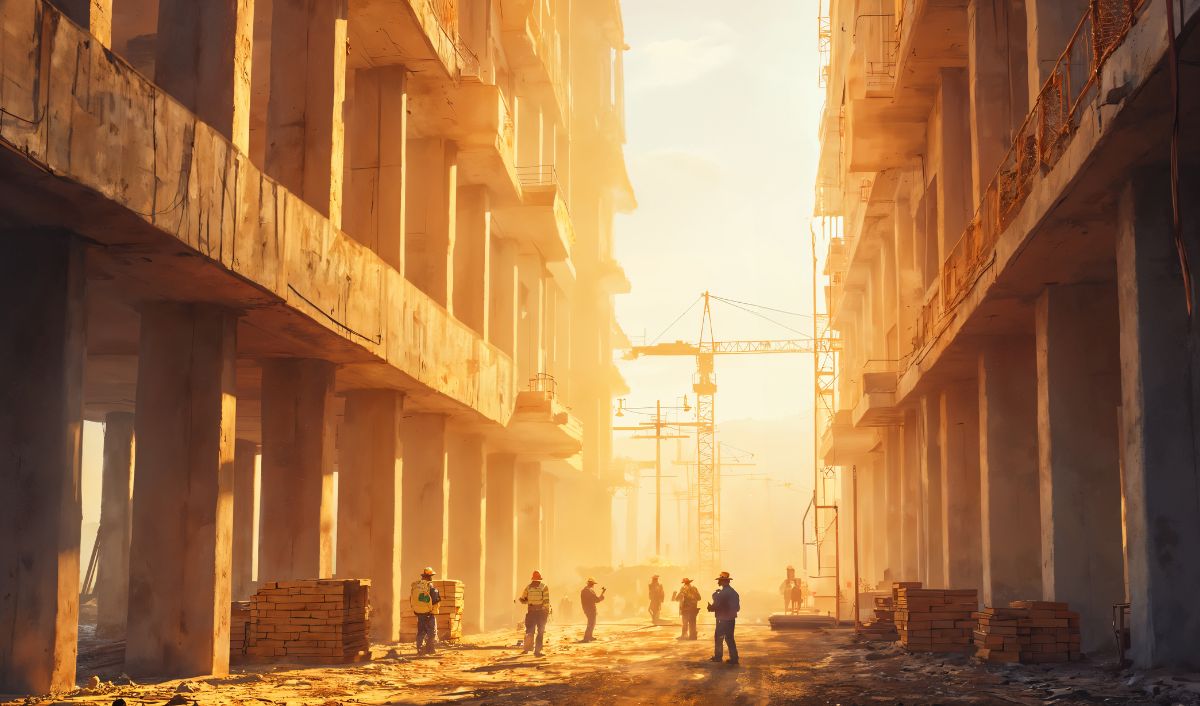
Once residents vacate the building and all approvals are in place, demolition begins. In dense urban areas, demolition must be handled carefully to ensure the safety of surrounding buildings.
After the old structure is cleared, construction of the new building starts. Depending on the size of the project, this stage usually takes between two and three years.
During this period, it is helpful for the society committee to remain involved. Many societies appoint a technical consultant or architect who periodically reviews the construction quality and ensures that the work follows approved plans.
A well constructed building should not only appear modern but also meet current structural and safety standards.
- Lifestyle Improvements After Redevelopment
Redevelopment often brings several improvements to everyday living.
Residents typically receive larger or better designed homes, modern elevators, improved infrastructure, better fire safety systems, dedicated parking facilities, and enhanced security arrangements. Many new buildings also include environmentally responsible features such as rainwater harvesting and solar water heating.
For many families, moving into the redeveloped building feels like stepping into a new phase of life while still staying connected to the same familiar neighborhood.
- Possession and Returning Home
The final step in the redevelopment process arrives when the building receives an Occupancy Certificate from municipal authorities. This certificate confirms that the construction follows approved plans and that the building is safe for residents.
Before possession, society members inspect their flats and highlight any small finishing issues that may need correction. Once these are resolved, the developer hands over the keys and residents finally return to their new homes.
For most societies, this moment marks the beginning of a new chapter.
- The Importance of Expert Guidance
Redevelopment involves technical, legal, and financial decisions at many stages. For housing societies, managing all these aspects without professional support can be challenging.
Experienced redevelopment professionals help societies understand the process, evaluate proposals, and ensure that each step is carried out in a transparent and organized manner.
- Looking Ahead
Redevelopment requires patience and cooperation among society members, but the outcome can be highly rewarding. An ageing structure is replaced with a modern building that offers safety, comfort, and long term sustainability.
For homeowners in Pune, redevelopment is not only about constructing a new building. It is also about protecting the value of their property and ensuring that their community continues to grow and thrive in the years ahead.
About Associated Recons:
We are Associated Recons, a Pune based redevelopment company established in 2014. The company focuses on transforming ageing housing societies into safe, modern, and future ready living spaces.
With in house expertise across engineering, architecture, legal, and financial planning, Associated Recons follows a process driven and people first approach. This ensures redevelopment remains structured, transparent, and hassle free for residents while preserving the legacy and value of their homes.
📩 Considering redevelopment in Pune
DM Associated Recons to begin with a structured consultation and preliminary technical guidance.
Related Posts

- Associated Recons
- January 22, 2024
Which Area Is Considered the Safest in Pune? A Practical, Resident-Focused Perspective
Introduction: The Evolving Definition of Safety in Pune The landscape of Pune has transformed s ..

- Associated Recons
- January 22, 2024
Redevelopment : Need of the hour !
Opting for redevelopment is a decision that should be carefully considered, taking into account ..